Azalea
The most common mistake is keeping an azalea (Rhododendron simsii) in a warm room like an ordinary tropical plant. It needs cool conditions, acidic potting mix, and even moisture; otherwise, it quickly drops its leaves and buds.

Azalea as a houseplant
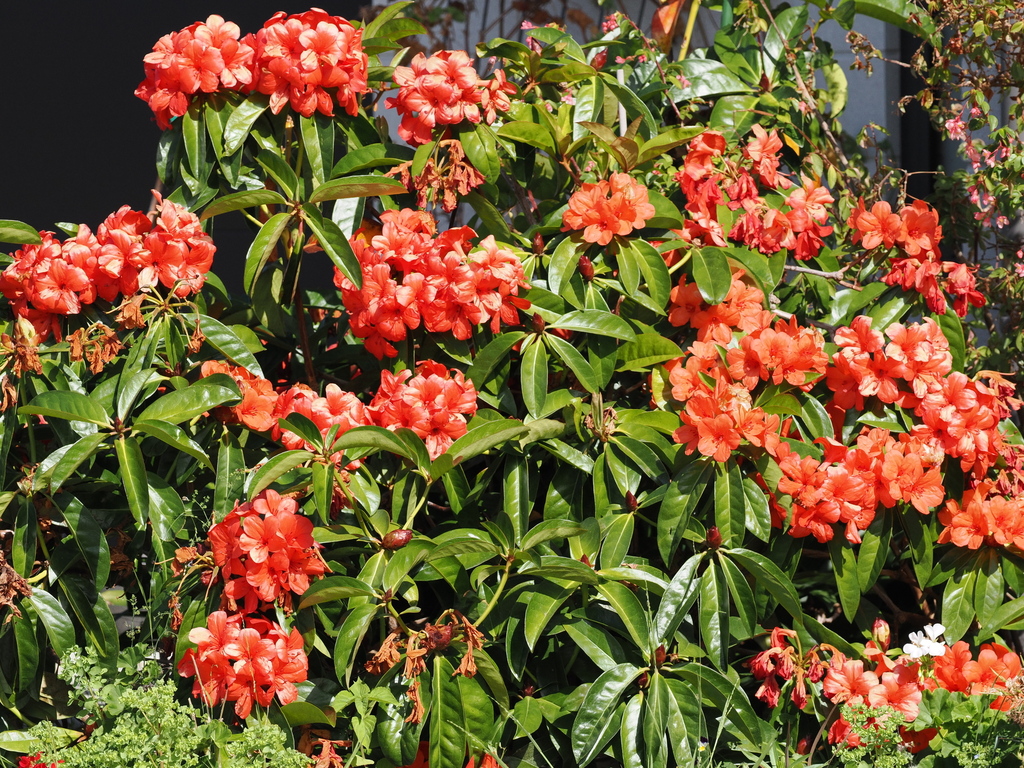
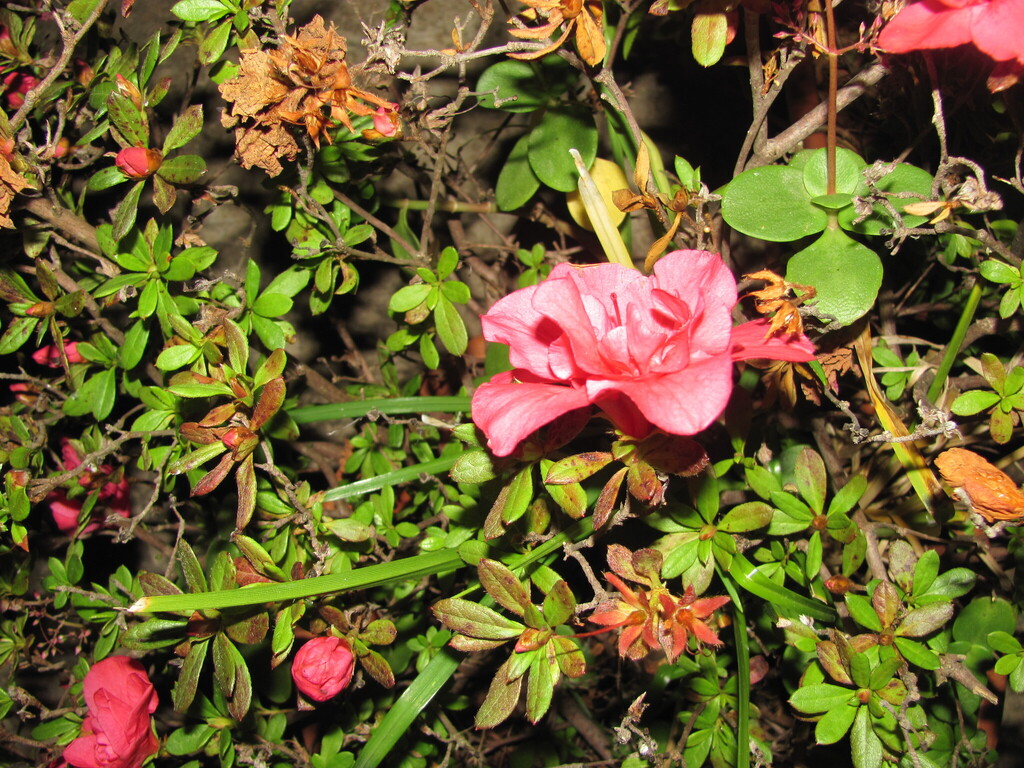
The name “azalea” has historically been used for some rhododendrons, although these plants belong to the genus Rhododendron in modern classification. Cultivars derived from Rhododendron simsii are widely grown as potted plants.
In horticultural classification, azaleas are still often distinguished from other rhododendrons. One noticeable feature is five stamens per flower; most rhododendrons have more.
Origin and natural requirements
The species is native to southern China and Taiwan. This origin explains its need for cool conditions, humidity, and an acidic root environment.
| In the wild | Indoors |
|---|---|
| Cooler conditions | A spot away from radiators |
| Acidic soils | Potting mix with pH 4-4.5 |
| Humid air | A tray of wet pebbles or misting the leaves |
Warm, dry air is more harmful to this plant than a brief spell of cool, frost-free conditions. This is why a newly purchased shrub often loses leaves not because of “acclimation,” but because of a sudden change in humidity and temperature.
Light and temperature
The plant needs bright indirect light or light shade. Direct midday sun overheats the pot and quickly dries out its shallow root system.
Cool temperatures suit spring and summer growth, without overheating near window glass or a radiator. Bud formation in fall requires even lower temperatures, while cool conditions during flowering help the flowers last longer.
| Stage | Temperature |
|---|---|
| Bud formation | +8…+12 °C |
| Flowering | +12…+15 °C |
| After flowering | +16…+18 °C |
| Summer growth | +18…+22 °C |
Watering and acidic potting mix
The root ball must not dry out, but leaving water in the saucer also harms the roots. Even moisture from soft water works best, with any excess always emptied after watering.
- acidic potting mix, pH 4-4.5
- soft water or water left to stand
- an evenly moist root ball
- drainage without standing water
- a shallow root system
For planting, use heath soil or a 2:1 mix of coniferous forest soil and peat soil with a small amount of river sand. Alkaline water gradually changes the pH of the potting mix, making it harder for the plant to absorb nutrients.
Flowering and pruning
Indoor cultivars flower in winter and early spring; references on potted cultivation give a flowering period from December to March, sometimes extending to April. Its length depends on cool conditions, watering, and the plant’s condition after bud formation.
Begin pruning after flowering, and from May remove weak and overgrown shoots, especially those growing inward. Pinch back young shoots, leaving 4-5 leaves on each.
- removing weak shoots
- thinning a crowded canopy
- pinching out young shoot tips
- pinching out shoots near flower buds
- returning the pot to its previous position after flowering
Repotting and propagation
The root system is shallow, so use low, wide pots. Repot young plants every year after flowering and mature plants every 2-3 years.
At home, propagate with semi-hardwood stem cuttings. The usual time to take cuttings is from May to August; they root best in acidic potting mix under a cover, with regular watering and misting of the leaves.
- a semi-hardwood cutting
- acidic potting mix
- a clear cover
- regular watering
- misting the leaves
Why azalea drops its leaves
Leaf drop often begins after the root ball dries out or the plant is suddenly moved from cool conditions to a warm, dry room. For an azalea, this is no minor mistake: its fine, shallow roots react quickly to a lack of water.
- potting mix drying out
- heat from a nearby radiator
- hard water
- direct sun
- spider mites
Pests reported on azaleas include spider mites, rhododendron flea beetles, azalea moths, and greenhouse thrips. If the leaves turn yellow, curl, or develop spots, inspect the plant, including the undersides of the leaves.
- Light
- indirect light
- Temperature
- +18…+22 °C
- Watering
- frequent, without drying out
- Soil
- acidic, pH 4-4.5
- Difficulty
- high
- Cats and dogs
- toxic
- Size indoors
- 30-50 cm
- Leaves indoors
- small leaves
- Native range
- southern China and Taiwan
Care
Azalea is sensitive to heat, drying out, and alkaline potting mix. Its main requirements are cool conditions, even moisture, and an acidic root environment.
- Light
- Provide bright indirect light. A west- or north-facing windowsill with light shade is suitable. Midday sun overheats the pot and dries out the potting mix.
- Temperature
- Keep at +18…+22 °C. This is the range for summer growth. Bud formation in fall requires +8…+12 °C; +12…+15 °C is better for flowering.
- Watering
- Water frequently with soft water. Keep the potting mix evenly moist without letting the root ball dry out. Empty any water left in the saucer after watering.
- Soil
- Use acidic potting mix, pH 4-4.5. Use heath soil or a 2:1 mix of coniferous forest soil and peat soil with a small amount of river sand.
- Feeding
- Use chlorine-free fertilizer. Use chlorine-free mineral fertilizers during growth. Feed with fertilizer for flowering plants during bud formation.
- Leaves
- Keep humidity high. Mist the leaves with a fine spray, avoiding the flowers. The pot can be placed on a tray of wet pebbles.
- Repotting
- Repot after flowering. Repot young plants every year and mature plants every 2-3 years. Use a shallow pot because the roots are shallow.
Botany
4 ill.- Family
- Ericaceae
- Genus
- Rhododendron
- Species
- Rhododendron simsii
- Author and year
- Planch.


Azalea (Rhododendron simsii) belongs to the family Ericaceae and the genus Rhododendron. The name “azalea” does not denote a separate genus in modern classification: it is a horticultural name for some rhododendrons, still used for both potted and garden forms.
Members of the heather order typically have simple leaves without stipules and flowers with five sepals and five petals, which are often fused into a corolla. A noticeable feature of azaleas is five stamens per flower.
The species is native to southern China and Taiwan. Indoors, it is grown not as a warmth-loving tropical species, but as a shrub that prefers cool conditions and requires acidic potting mix.
How it differs from similar plants
Chinese hibiscus Hibiscus rosa-sinensis
- Hibiscus stands out for its size: it can reach 4.5 m indoors, while azalea usually reaches 30–50 cm.
Horseshoe geranium Pelargonium zonale
- Pelargonium differs in its light requirements: it needs bright sun, while azalea needs indirect light.
African violet Streptocarpus ionanthus
- African violet forms a rosette of hairy leaves with flower stalks above it, while azalea is described as a plant with small leaves.
Frequently asked questions
- Why is my azalea dropping leaves?
- Most often because the potting mix has dried out, the air is warm and dry, or conditions changed suddenly after purchase.
- How often should I water an azalea?
- The potting mix should stay slightly moist at all times; water more often in warm conditions and less often in cool conditions.
- What soil does an azalea need?
- It needs acidic potting mix with pH 4-4.5: heath soil or a mix of coniferous forest soil and peat soil with sand.
- Can I keep it at home if I have a cat?
- No. The plant is toxic to cats and dogs and should not be placed where a pet can chew its leaves or flowers.
- Can I move an azalea while it is flowering?
- Yes, the pot can be moved and turned during flowering, but afterward it should be returned to the position it was in when the buds formed.