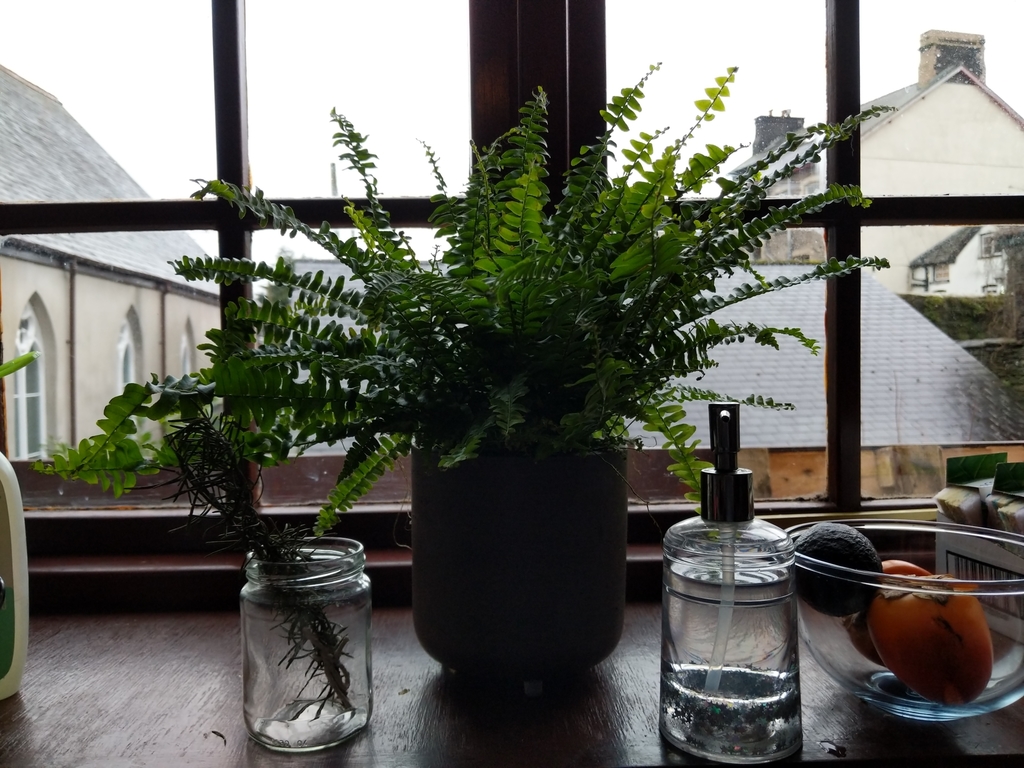
Umbrella plant
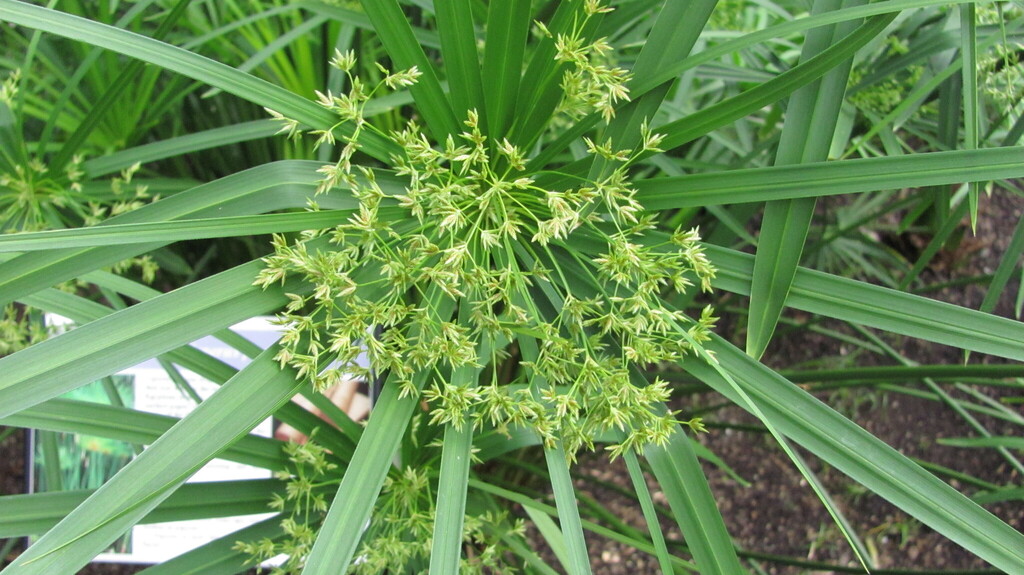
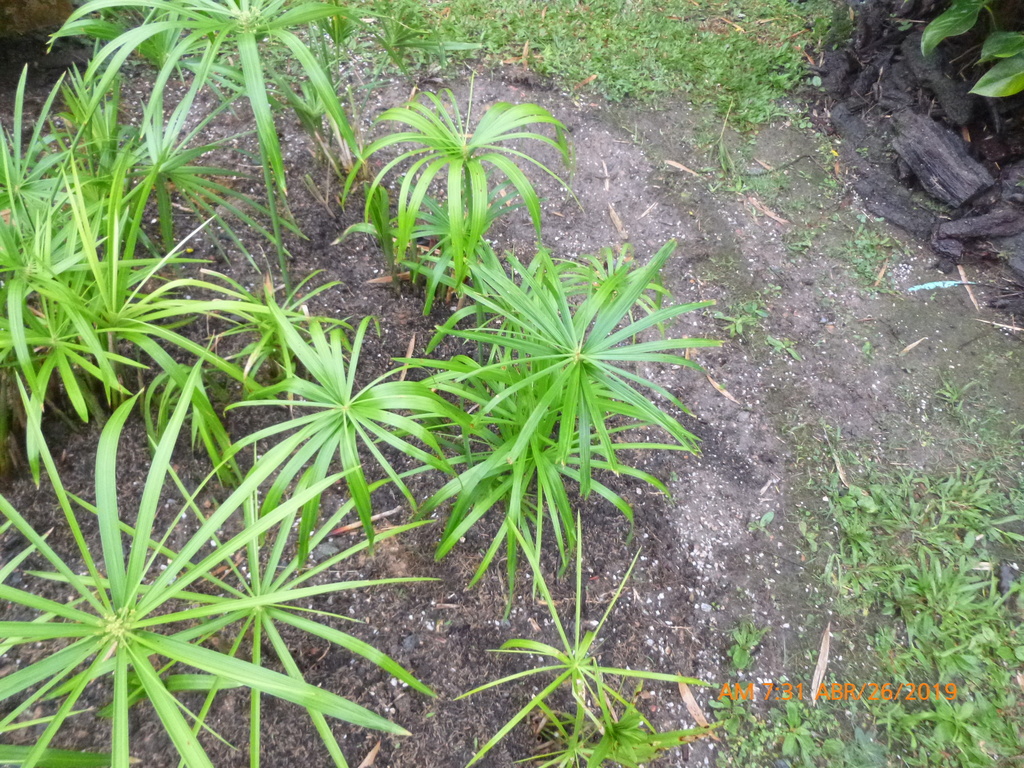
Not every plant with a grasslike shape is a grass: the umbrella plant (Cyperus alternifolius) belongs to the sedge family, Cyperaceae, and comes from Madagascar. This herbaceous plant is grown indoors around the world.

Structure and classification
This is a herbaceous plant in the genus Cyperus and family Cyperaceae. Its narrow leaf blades make it easy to mistake for a grass, but it belongs to the sedge family, not the grass family.
Indoors, this species is grown for its distinctive shape and dense green growth. Its appearance depends not on shaping a canopy, but on the steady growth of new shoots from the base.
- herbaceous growth
- membership in the sedge family
- origins in Madagascar
Together, these traits explain why its care differs from that of succulents or woody houseplants.
Origin and distribution
The species is native to Madagascar. Outside its natural range, it is grown in various countries, including as a houseplant and greenhouse plant.
Its origin is more than an interesting detail: it offers a clue to the conditions it needs. The plant responds better to stable conditions than to abrupt changes in light, potting mix moisture, and temperature.
At home, this means keeping it in a permanent spot where heat sources will not dry it out. If the pot is frequently moved between very different conditions, older leaves may lose their good appearance faster than new ones develop.
Light and placement
A bright spot with indirect light is best. In deep shade, the plant will not die immediately, but new growth becomes weaker and less dense.
- a bright windowsill without harsh midday sun
- a spot away from a radiator
- even light from all sides
- protection from cold drafts
- gradual adjustment after moving
If the clump leans toward the window, you can turn the pot from time to time. Avoid moving it abruptly from shade into direct sun: the leaf blades do not have time to adjust.
Watering and potting mix
For this species, letting the potting mix dry out usually has more noticeable effects than a brief period of excess moisture. Leaf tips quickly begin to dry out if the roots regularly go without moisture.
| Sign | What it means | What to change |
|---|---|---|
| Dry tips | the potting mix is drying out or the air is too dry | water more consistently |
| Limp shoots | the roots are not functioning consistently | check the moisture and condition of the potting mix |
| Odor from the potting mix | the mix has compacted and allows too little air through | replace it with a fresh moisture-retentive mix |
The potting mix should retain moisture without being heavy. If it compacts, water stagnates with no air reaching the roots, and the root system functions less effectively.
Temperature and seasonal growth
During growth, steady conditions matter more than high temperatures. Cold drafts, excessive heat near a radiator, and sudden fluctuations cause problems more often than moderate room conditions.
- steady warmth during active growth
- distance from sources of hot, dry air
- protection from sudden chilling of the roots
Growth may slow in winter as the days shorten. Do not stop watering completely during this time, but judge by the actual moisture in the potting mix rather than the calendar.
Pruning, repotting, and propagation
Cut old or dried-out shoots at the base. This will not restore an individual leaf blade, but it makes room for new growth and removes dry parts.
Repot when the roots become crowded or the potting mix loses its structure. The pot should not be much larger than the root ball: excess wet mix without roots takes a long time to dry out.
- removing dry shoots
- repotting with the root ball intact to avoid unnecessary root damage
- dividing an overgrown clump
After division, keep moisture consistent and avoid abrupt changes of location. New growth does not appear immediately, so steady conditions are important during the first few weeks.
Common problems
Problems most often show at the leaf tips and in the density of the clump. The plant quickly shows a lack of moisture or light, but its appearance improves only as new shoots emerge.
- drying leaf tips
- stretched, weak shoots
- yellowing older leaves
- compacted potting mix
- the clump leaning toward the light
Dry parts will not turn green again. Remove them and adjust care so that new growth develops more densely and evenly.
- Light
- bright indirect light
- Watering
- consistently moist potting mix
- Soil
- moisture-retentive potting mix
- Difficulty
- moderate
- Cats and dogs
- safe
- Native range
- Madagascar
Care
The umbrella plant grows best with consistent moisture and even light. The main mistake indoors is letting it dry out and then abruptly changing its conditions.
- Light
- Provide bright indirect light. Keep it in a bright spot out of harsh midday sun. In deep shade, new growth becomes weaker.
- Temperature
- Keep at room temperature. During growth, keep conditions steady, without cold drafts or excessive heat near a radiator.
- Watering
- Keep the mix moist. Do not let the potting mix dry out completely. Dry tips often appear after inconsistent watering.
- Soil
- Use a moisture-retentive mix. The mix should hold moisture without compacting. Roots get less air in a dense mix.
- Feeding
- Feed during active growth. Feed only when the plant is actively growing. Reduce feeding when growth slows.
- Leaves
- Cut off dry growth. Cut dried-out shoots at the base. Damaged tips will not turn green again.
- Repotting
- Repot when roots are crowded. Repot when roots fill the pot or the potting mix loses its structure.
Botany
4 ill.- Family
- Cyperaceae
- Genus
- Cyperus
- Species
- Cyperus alternifolius
- Author and year
- L.


The umbrella plant (Cyperus alternifolius) belongs to the genus Cyperus and family Cyperaceae. It is a herbaceous plant often seen as grasslike indoors, although it is not a grass.
The species is native to Madagascar. Outside its natural range, it is grown in various parts of the world, so it is much more widespread in cultivation than in the wild.
For a plant reference, its classification matters: sedges have a different structure and growth pattern from woody houseplants. This is why care focuses on consistent moisture in the potting mix, light, and the regular replacement of older shoots with new growth.
How it differs from similar plants
ZZ plant Zamioculcas zamiifolia
- The ZZ plant's upright shape comes from its compound leaves, while the umbrella plant has a grasslike, herbaceous appearance.
Rex begonia Begonia rex
- Begonia is easy to distinguish by its large, asymmetrical leaves, while the umbrella plant looks like a grasslike herbaceous plant.
Snake plant Dracaena trifasciata
- The snake plant has long, stiff leaf blades, while the umbrella plant has a softer, grasslike shape.
Frequently asked questions
- Is the umbrella plant safe for cats and dogs?
- Yes, the plant is safe for cats and dogs.
- Why are the leaf tips drying out?
- This is most often a response to the potting mix drying out, dry air, or an abrupt change of location.
- How often should I water?
- Water so that the potting mix stays consistently moist and does not become a dry mass.
- Can I put it in the sun?
- Yes, but it is best to do this gradually: direct sun after deep shade can damage the leaf blades.
- Why are the shoots leaning sideways?
- The cause is often too little light or uneven lighting. You can turn the pot so the clump grows more evenly.